

Weather can be unpredictable, especially during the shoulder season or in the mountains. In a single day, bright sunshine can quickly turn into a sudden downpour, and a light breeze can become strong gusts. Under these conditions, you risk getting soaked, damaging your equipment, or in the worst case, getting injured.
In this article, we’ll show you how to properly prepare your bike rides in uncertain weather, what to anticipate before setting off, and which gear to choose to stay dry, warm, and comfortable, while fully enjoying your cycling adventures, bike tours, or bikepacking trips.
Certain weather conditions require extra preparation. Ignoring the forecast and setting off without proper gear can quickly turn your ride into a disaster: frozen fingers, a soaked bike, damaged equipment, or an early end to your journey.
Here are the main conditions to watch out for:
Cycling in rain, wind, or cold comes with several risks that every cyclist should be aware of to prepare properly:
Compromised Safety Wet conditions directly affect bike handling. Brakes take longer to respond, and traction on the road decreases, increasing the risk of slips or falls—especially on wet roads, dirt trails, or bikepacking routes.
Hypothermia and Discomfort Wind and rain, combined with soaked clothing, can quickly lower your body temperature. Even a short ride can become uncomfortable - or even dangerous - if you’re not properly equipped, particularly on long bike tours or bikepacking adventures.
Wear and Tear on Equipment Water, mud, and particles like sand or dust can penetrate the chain, cassette, hubs, and bottom bracket, accelerating wear. Regular maintenance becomes essential to keep your bike in top condition.
Reduced Motivation Cold, rain, and discomfort can quickly sap the joy of cycling. Even experienced cyclists may feel less motivated for regular rides or longer cycling adventures under harsh weather conditions.

Check the Weather Forecast Even for a short ride, it’s essential to consult the weather and local forecasts. Rain, wind, and temperature are the three main factors to monitor to ensure a safe ride - whether you’re on a bike tour, a cycling adventure, or a bikepacking trip.
Plan Your Route If you’re riding during the shoulder season or in regions known for unpredictable weather (looking at you, Brittany!), plan a flexible route with alternative paths in case conditions become challenging. Assume that rain is possible, even if the forecast looks clear.
Here are some great tools to plan and build your routes:
Choose the Right Terrain If it rains, avoid clay trails, narrow bridges, or marshy areas that can be slippery and dangerous. Prefer gravel roads, bike lanes, or asphalt for a safer and more comfortable ride.
Prepare Your Bike Before heading out in bad weather, check your brakes and tire pressure. In some cases, slightly lowering tire pressure can improve traction on wet roads and slippery trails. A well-prepared bike ensures more safety and enjoyment, whether you’re commuting, on a bikepacking adventure, or enjoying a long cycling tour.
Clothing to Stay Dry and Warm
The golden rule for riding in rain or wind is layering and keeping moisture out.
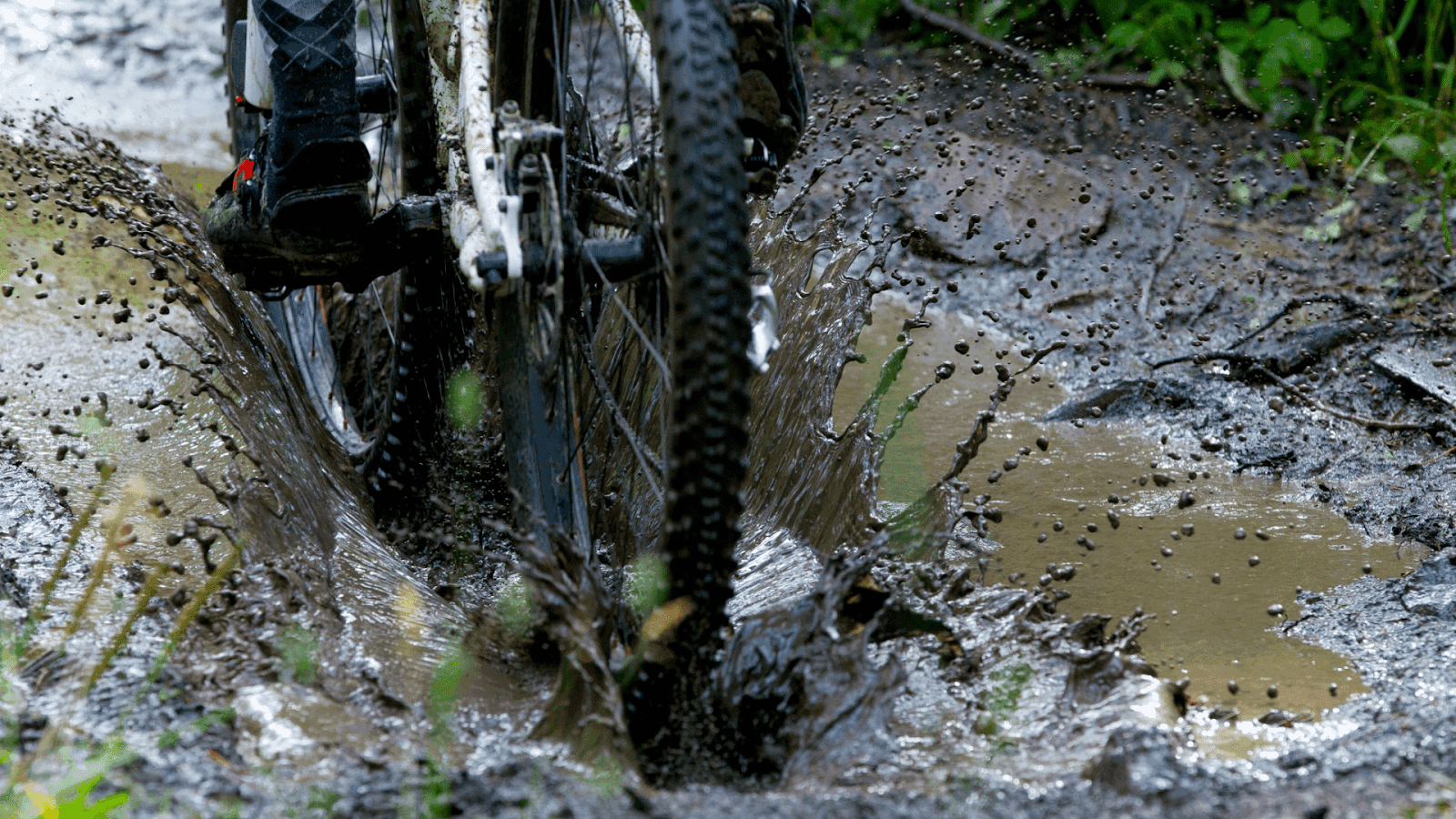
Cycling in rain, wind, or on slippery roads requires some adjustments. It’s not just about wearing the right clothes - you also need to adapt your riding style and stay extra alert. With a few good habits, your rides can remain enjoyable even when the weather turns.
Anticipate Your Braking Brakes respond more slowly in wet conditions, especially rim brakes. Start braking earlier and more gently to avoid wheel lock-ups. Disc brakes help, but anticipating is still key for safety.
Take Care in Turns On wet or slippery surfaces, sharp turns can easily cause a loss of traction. Slow down before the corner, keep your bike upright, and avoid sudden movements.
Watch for Slippery Surfaces Road markings, cobblestones, metal plates, and tram rails become extremely slick when wet. Whenever possible, avoid them, or cross them straight without braking or turning.
Manage Crosswinds Strong side winds can easily destabilize your bike, especially on bridges or open sections. Slow down, maintain a stable line, and avoid riding too close to the road edge.
Be Careful with Puddles Don’t ride through puddles at full speed - they can hide potholes or debris. Slow down and carefully observe the surface ahead.
Ride Safely… and Enjoy the Moment In rainy conditions, adopt a calmer pace and smooth movements. The goal isn’t to set a speed record but to ride safely while still enjoying your adventure. Whether you’re on a bikepacking trip, a gravel ride, or a casual cycling tour, unpredictable weather doesn’t have to ruin your experience.
With the right gear and an adapted riding style, cycling in the rain can even become a peaceful, unique experience - a different way to enjoy bike touring.
💡 Cluxx Tip: Consider a sturdy kickstand like the Cluxx Roxter (https://cluxx.com/fr/fr/catalogue/bequilles), perfect for stabilizing your bike even on wet surfaces.
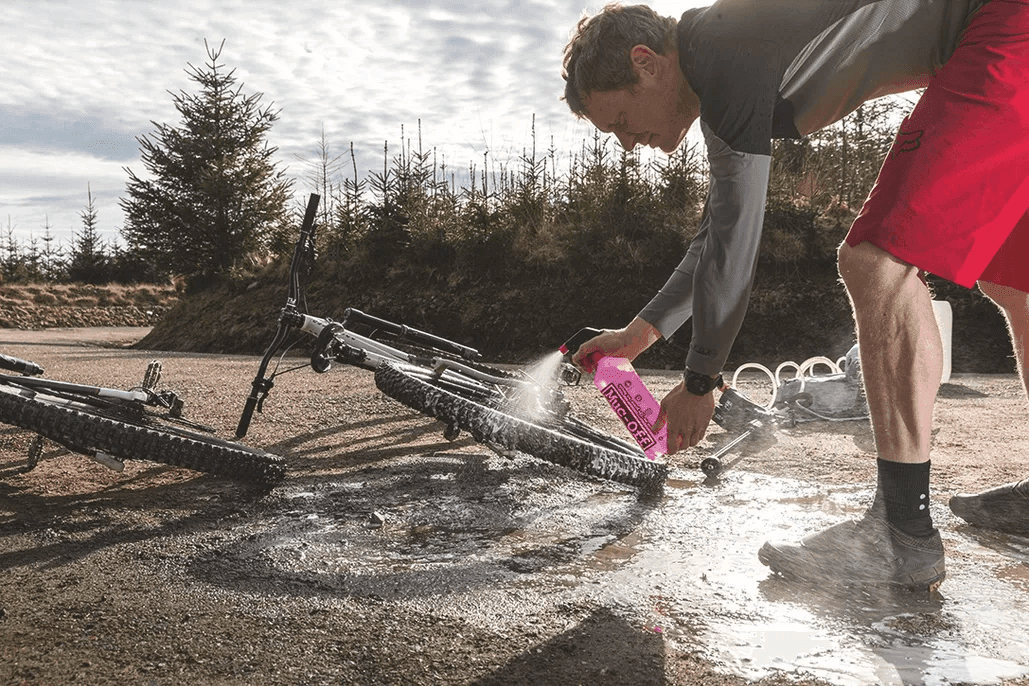
Riding in the rain or wind can be a fantastic experience - but it’s also a real test for your bike. Mud, water, sand, and salt can accumulate and accelerate component wear. A quick post-ride maintenance routine helps extend the life of your bike and prevents costly repairs. Here are the essential steps:
Recommended product: Muc-Off Drivetrain Cleaner
Recommended lubricant: Finish Line Wet Lubricant
Riding in bad weather can become a true pleasure when you’re prepared. With the right rain gear, a well-maintained bike, and a planned route, rain won’t ruin your ride - whether it’s a bikepacking adventure, a cycling tour, or a daily commute. Staying active, even in wet conditions, turns every day into a new cycling adventure.